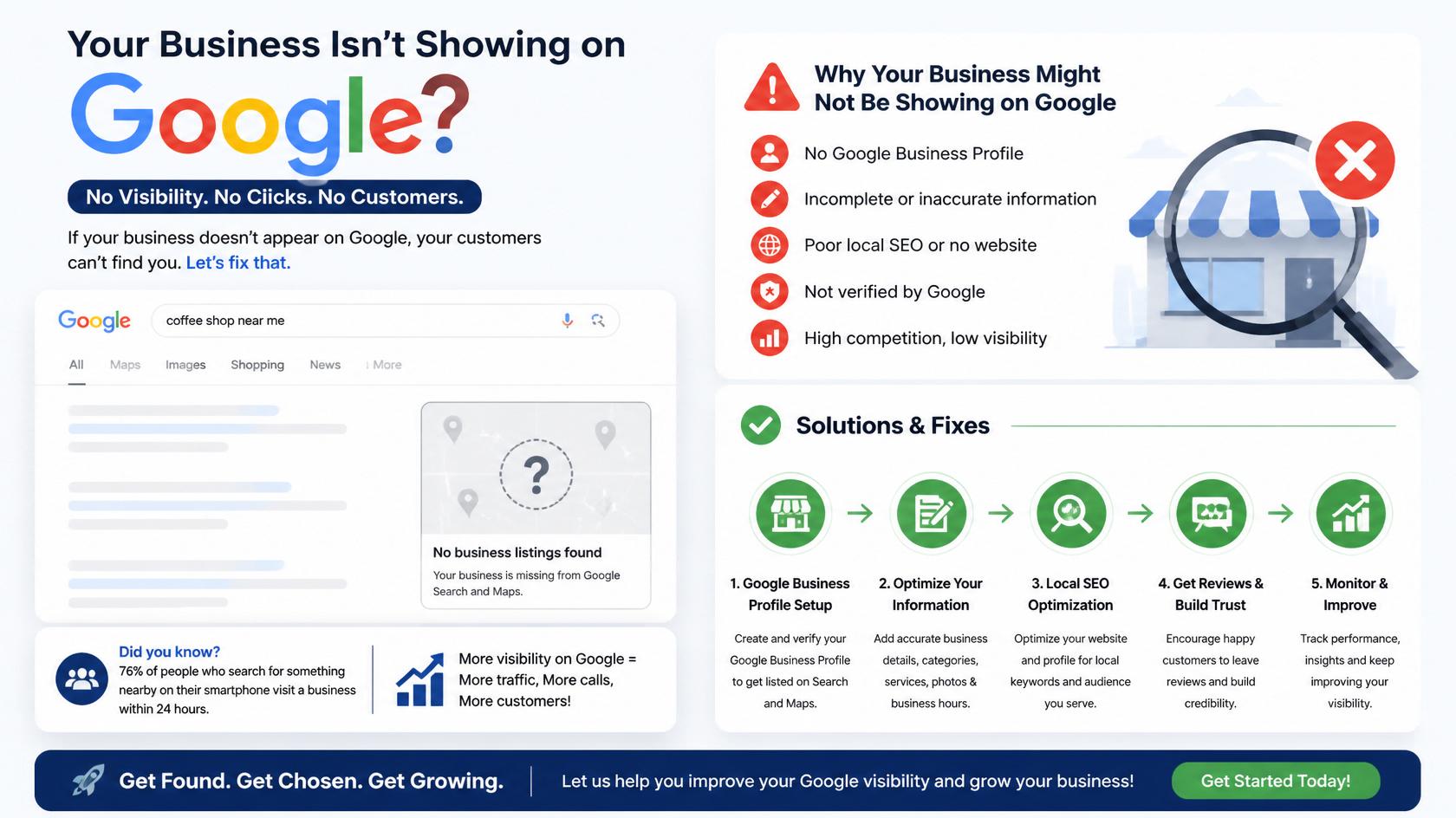

Nathan runs a small independent gym in Wollongong, not far from the escarpment, the kind of place with a genuinely tight-knit community of regulars who train together most mornings before work. Strong retention, great atmosphere, word of mouth that’s kept the place going for years. But when a bigger, newer gym opened up a few suburbs over with a slicker online presence, Nathan noticed his usual trickle of new sign-ups from Google searches had basically dried up completely.
His gym hadn’t gotten worse. The competition had simply gotten better at being found, and Nathan’s online presence — largely unchanged since he first set it up — hadn’t kept pace.
Why Wollongong Is Genuinely Competitive Online
Wollongong sits in an unusual position — close enough to Sydney to absorb some of that competitive intensity, but with its own strong, distinct identity across suburbs like Fairy Meadow, Corrimal, Thirroul and Shellharbour. That spread creates a lot of genuine competition for local searches, particularly in categories like fitness, hospitality, trades and allied health, where there are simply more businesses fighting for the same “near me” search than in a smaller regional town.
This means the businesses that stand out aren’t necessarily the best at what they do — they’re the ones that have made it clearest and easiest for Google, and for potential customers, to understand exactly who they are, where they are, and why they’re worth choosing.
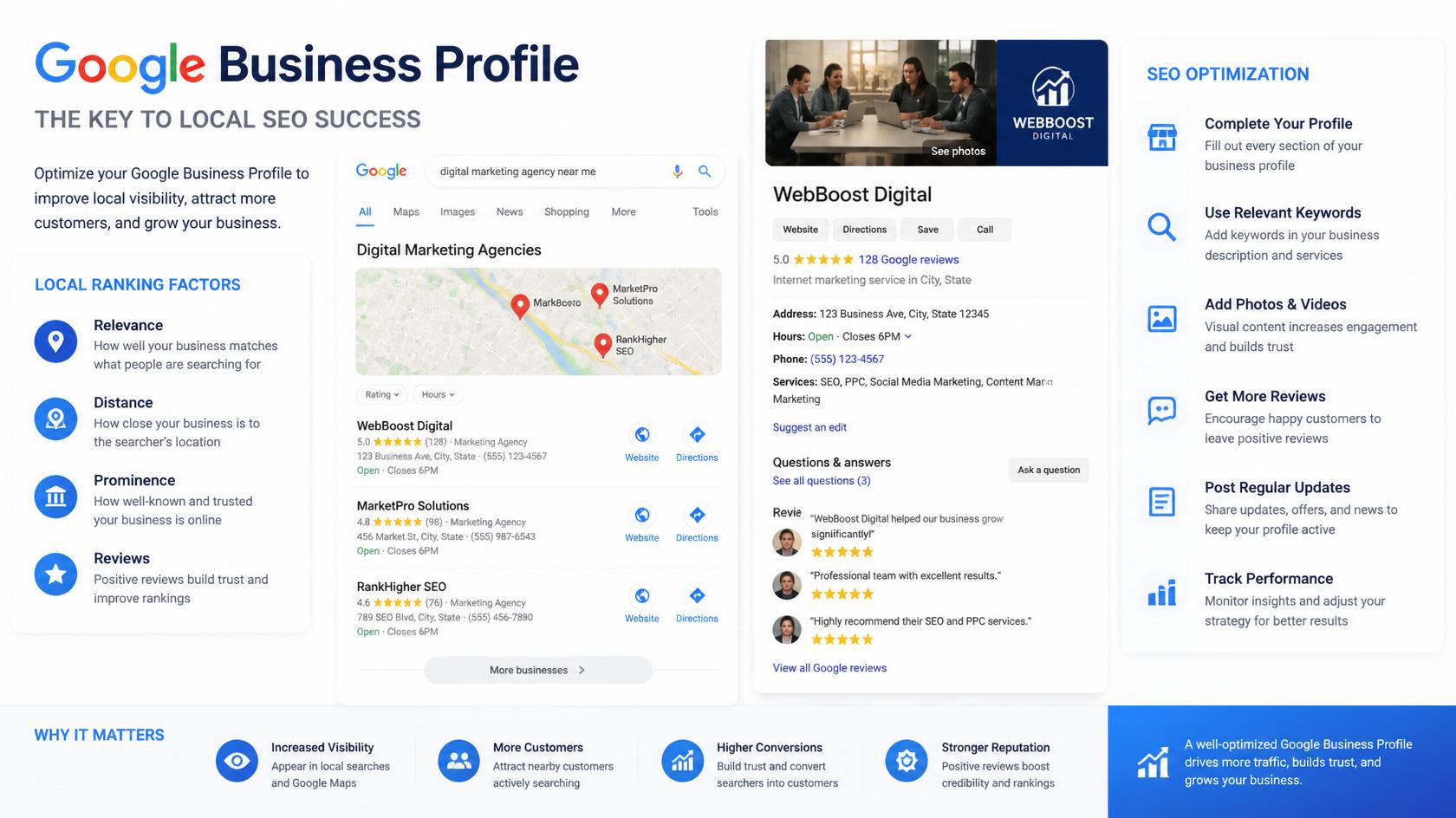
Reason #1: Google Business Profiles That Haven’t Evolved With the Business
A huge number of Wollongong businesses set their profile up once, years ago, and have added to it only sporadically since. Meanwhile, the services offered, the hours, even the physical location may have changed. Nathan’s gym profile still listed a class timetable that had been updated twice since, and had zero photos from the equipment upgrade he’d done the previous year.
An outdated profile doesn’t just fail to help — it actively undersells the business, showing potential customers an inaccurate, less impressive picture than reality.
Reason #2: Suburb-Level Specificity Missing Entirely
Wollongong isn’t one single search market — it’s a collection of distinct suburbs, each with their own local search behaviour. Someone in Corrimal searching for a gym isn’t necessarily thinking “Wollongong gym,” they’re thinking about what’s close to them specifically. Businesses whose online presence only mentions “Wollongong” broadly, without acknowledging the specific suburb or nearby areas they genuinely serve, miss a meaningful chunk of hyper-local search traffic that a more specific competitor picks up instead.
Reason #3: Website Content That Reads Generic
A lot of Wollongong business websites could, frankly, belong to a business in any coastal city in Australia. No mention of the escarpment, no mention of specific suburbs served, no genuine local detail that signals real, on-the-ground presence. This isn’t about forcing suburb names into every sentence — it’s about writing content that authentically reflects the actual area and community the business serves, which naturally helps both search visibility and genuine local trust.
Reason #4: Reviews That Have Gone Stale
Wollongong’s competitive density means potential customers often compare several options side by side before deciding. A business with a solid volume of recent reviews signals current relevance and trust. A business with reviews mostly from years ago — even if there are plenty of them — can look less current and less trustworthy by comparison, even when the actual customer experience hasn’t changed at all.
Reason #5: Categories Too Broad for a Competitive Market
In a market as competitive as Wollongong’s, broad categories put a business in the widest, hardest-to-win pool of competition possible. Nathan’s gym was listed simply as “gym.” It also runs small group personal training and a dedicated strength program for over-40s — neither of which was reflected anywhere in his profile, despite both being genuine points of difference that could have helped him show up for far more specific, less competitive searches.
A Real Comparison: Two Physio Clinics
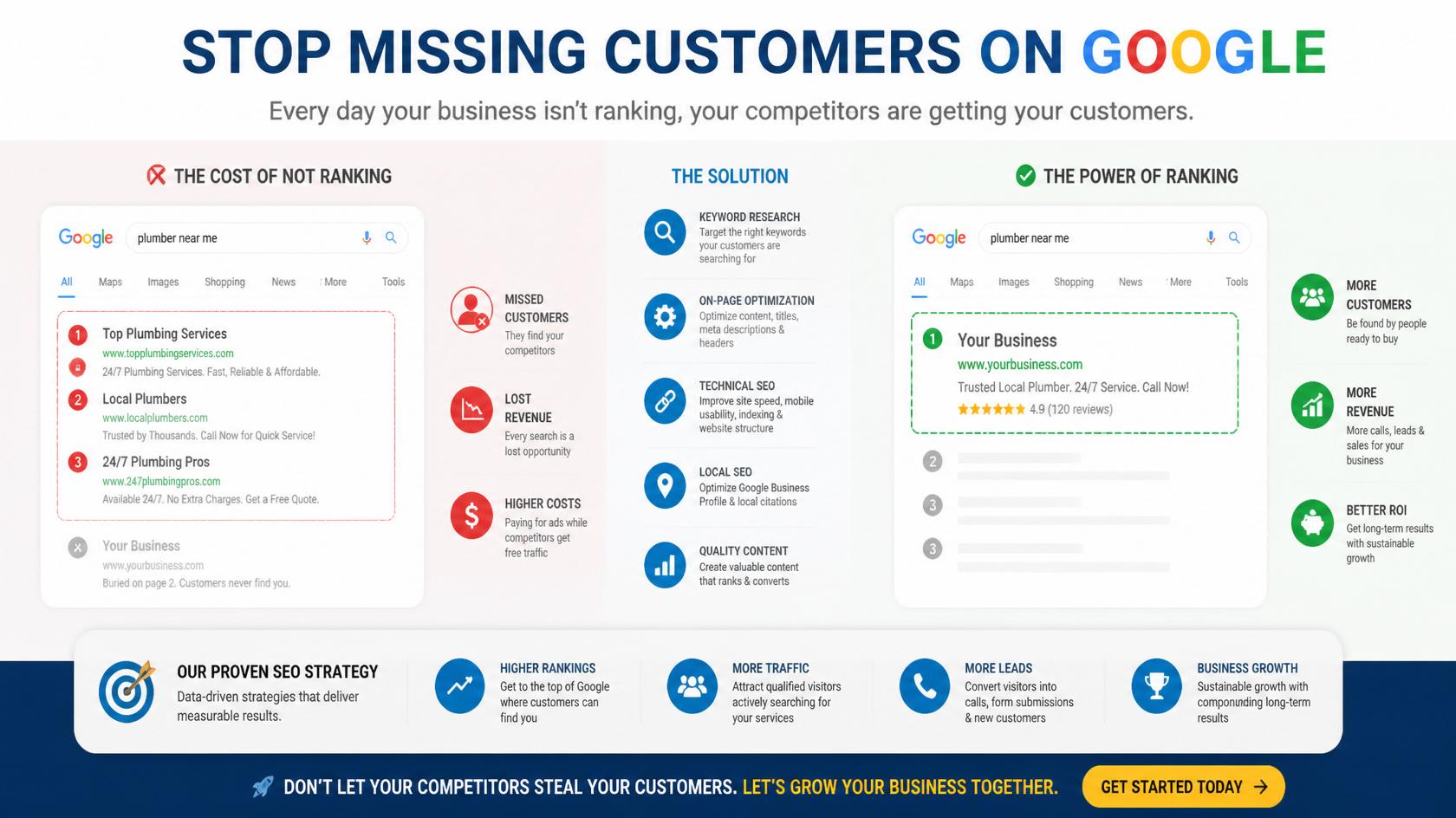
Two physiotherapy clinics, a few suburbs apart, similar experience and services. One has a profile with specific categories covering sports injury and remedial massage separately, genuine recent photos of the clinic and equipment, and a steady flow of current reviews. The other has a generic profile, broad categories, and reviews that haven’t been added to in a couple of years.
For a search like “physio Fairy Meadow” or “sports physio near me,” the first clinic shows up clearly and consistently. The second, despite potentially offering just as good a service, simply doesn’t present as clearly or as current, and loses out on clicks it could easily have earned.
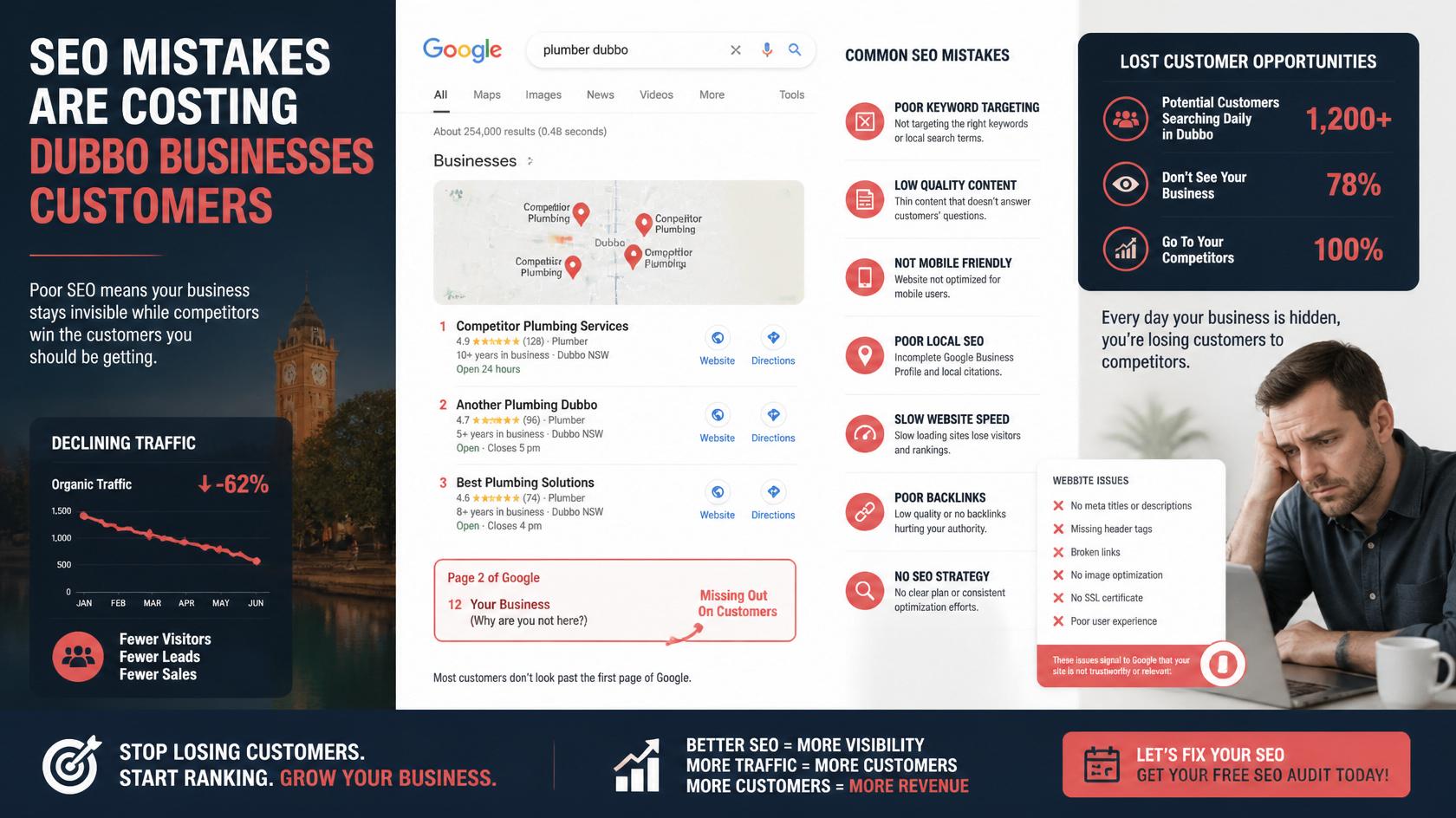
Common Mistakes Across Wollongong Businesses
Assuming a profile set up years ago is still doing its job without ever revisiting it
Writing website content generic enough to apply to any coastal city, missing genuine local specificity
Leaving categories broad instead of reflecting the actual specific services offered
Letting reviews stagnate instead of building a consistent, ongoing habit of asking for them
Overlooking mobile experience, despite the high volume of on-the-go local searches happening across a spread-out region like the Illawarra
What Nathan Changed
Nathan spent a weekend properly overhauling his profile — added specific service categories for his small group training and over-40s strength program, updated the class timetable, and added two dozen genuine photos reflecting the equipment upgrade. He also added a short section to his website specifically mentioning the suburbs his regulars actually travelled in from — Fairy Meadow, Corrimal, Mount Ousley — since that spread had never been reflected anywhere online. He began asking members for reviews at natural high points, like after hitting a training milestone, instead of leaving it to chance.
Within a few months, new sign-ups mentioning they’d found the gym through a Google search began appearing again, something that had all but disappeared over the previous year.
Where to Start
If your Wollongong business hasn’t had its online presence properly reviewed in a while, start with the Google Business Profile — check the categories are specific and current, refresh the photos, and build a simple, consistent habit of asking for reviews. Then look honestly at your website and ask whether it reads like it genuinely belongs to a business in the Illawarra, or whether it could describe any business in any coastal city in the country.
This is exactly the kind of groundwork Organic SEO Guru works through with business owners across Wollongong — fixing the fundamentals properly in a market competitive enough that the details genuinely matter. If you’d rather have someone handle the profile overhaul, the suburb-specific content and the ongoing review strategy for you, that’s exactly what our Local SEO specialists in Wollongong handle day to day.
Nathan’s gym still has the same tight-knit community it’s always had, but now there’s a steady stream of new faces finding their way in through Google too — people who, a year earlier, would simply never have seen the gym show up at all.