
Ask ten business owners what “SEO” means and you’ll get ten different answers — some vaguely right, some completely wrong, and a few that sound suspiciously like whatever a cold-caller told them last month. So let’s actually settle it, properly, from the ground up. No jargon left unexplained, no step skipped.
Starting From Zero: What “Organic” Actually Means
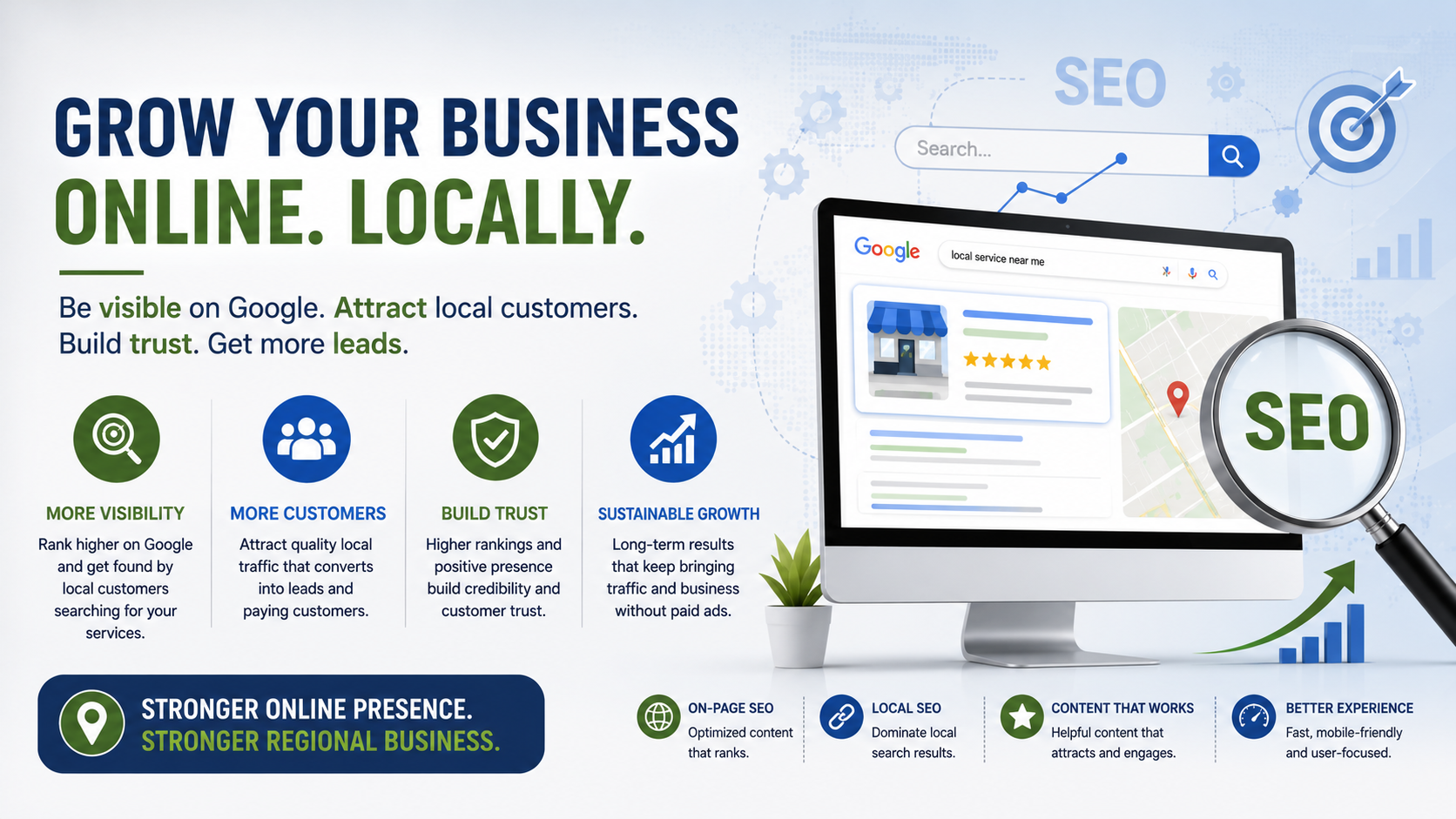
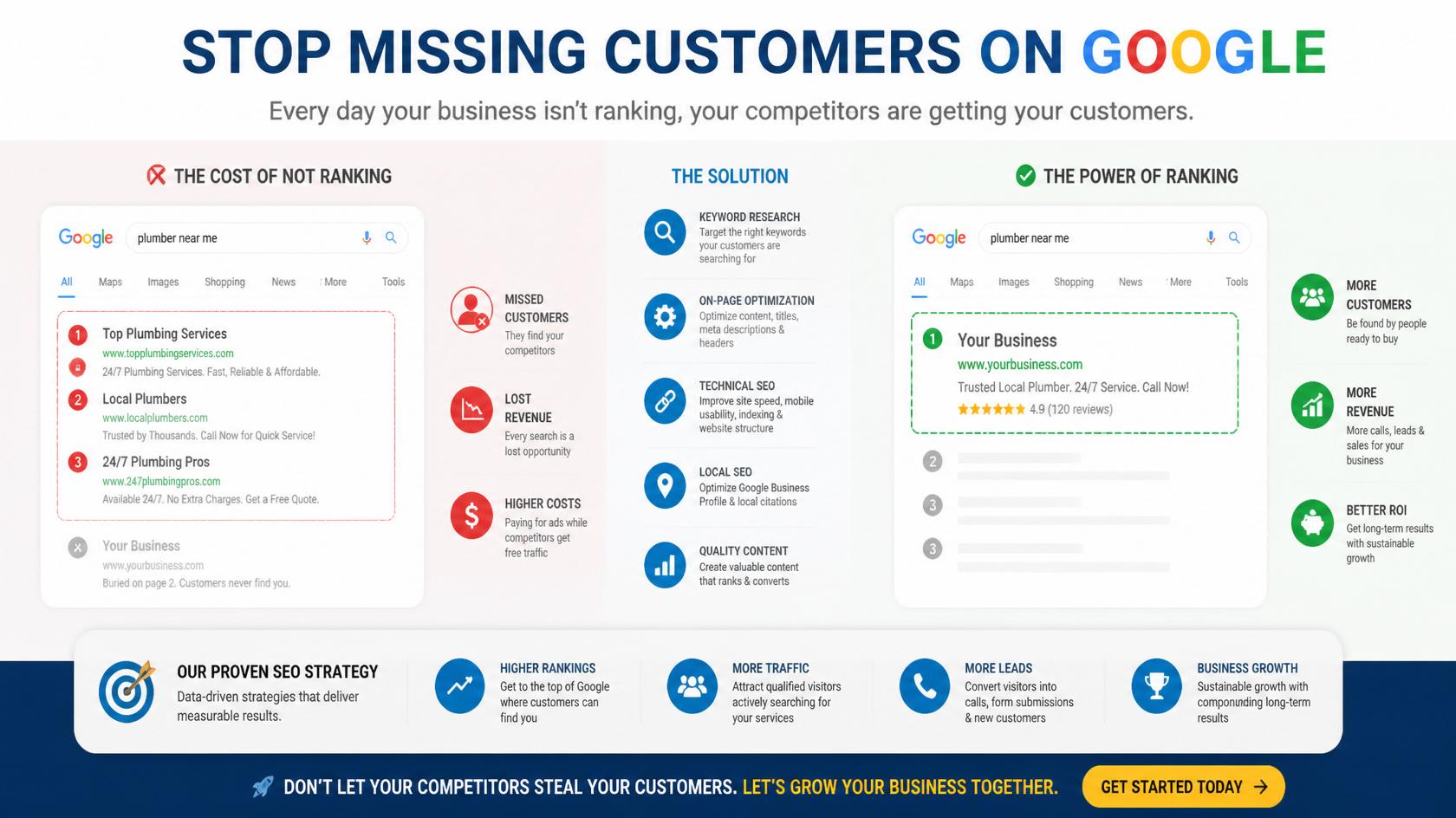
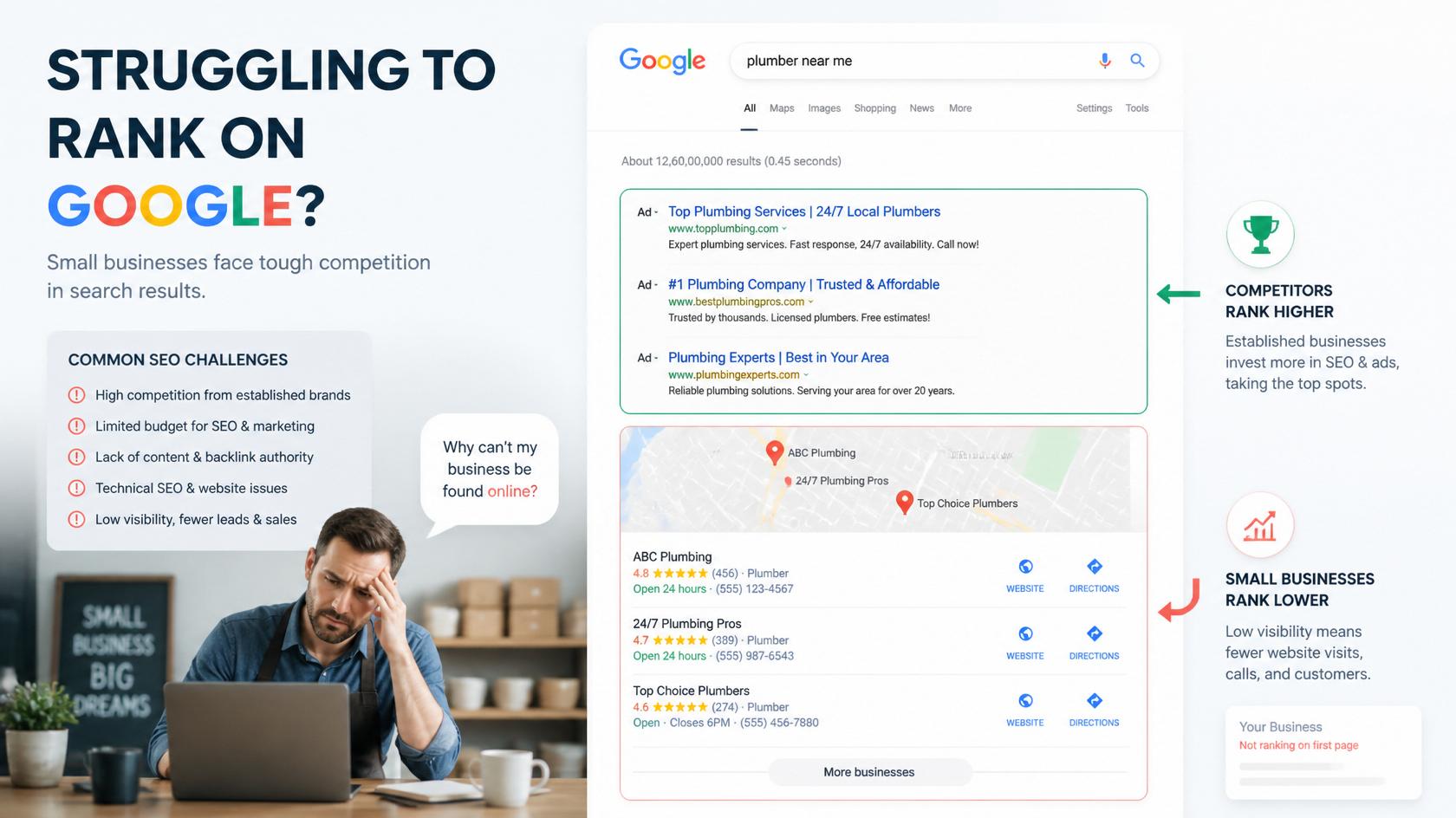
When people search “organic SEO,” they usually mean one specific thing: getting your website to rank in Google’s unpaid, natural search results — as opposed to the ads sitting at the top or bottom of the page marked “Sponsored.” If you’ve ever Googled something, scrolled past the ads, and clicked a normal-looking blue link because it looked like the most useful answer — that’s organic search doing its job.
“Organic SEO” as a phrase is really just emphasising that the work is about earning that unpaid ranking through genuine, ethical optimisation — not buying your way there, not gaming the system with tricks that break the moment Google updates its algorithm, and not disappearing the day you stop paying (unlike ads, which switch off the second the budget runs out).
How Search Engines Actually Decide Who Ranks
Before touching strategy, it helps to understand what’s happening behind the scenes, because almost every SEO decision traces back to these three steps:
- Crawling: Google runs automated programs called crawlers (or “spiders”) that constantly travel across the web, following links from page to page, discovering new and updated content.
- Indexing: Once a page is crawled, Google tries to understand what it’s actually about — the topic, the intent, the quality, the structure — and stores that understanding in a massive database called the index. If a page never makes it into the index, it can never rank, no matter how good it is.
- Ranking: When someone types a search query, Google’s ranking systems sort through the relevant indexed pages and decide, in a fraction of a second, which ones best answer that specific query, in what order. This is where hundreds of ranking factors come into play — page relevance, content quality, site speed, mobile-friendliness, backlinks from other trusted sites, user experience signals, and increasingly, how well-structured and trustworthy the content appears to both users and Google’s systems.
Organic SEO services is the option of deliberately improving your site’s performance across all three of those stages, so that when someone searches for something your business genuinely offers, you’re the answer Google chooses to show.
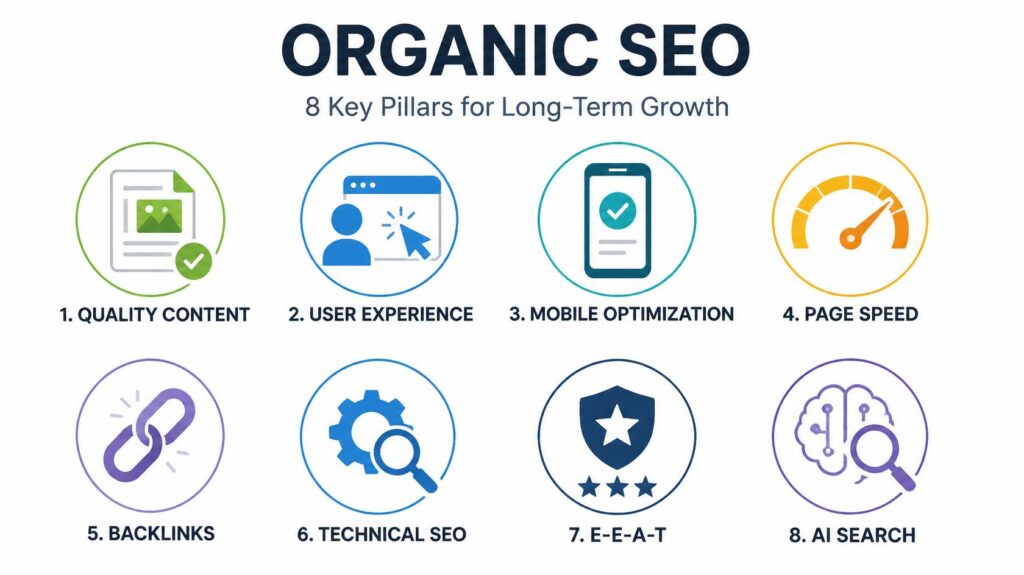
The Core Pillars of Organic SEO
Technical SEO is the foundation — site speed, mobile responsiveness, secure connections (HTTPS), clean site architecture, proper indexing settings, structured data (schema markup) and no broken pages or dead-end links. Get this wrong and nothing else matters much, because Google either can’t crawl your site properly or doesn’t trust it enough to rank it.
On-page SEO covers everything on the actual page — page titles, headings, meta descriptions, keyword usage, internal linking and making sure the content genuinely matches what the searcher is looking for. This is where relevance is built.
Content is the substance behind the structure — genuinely useful, well-researched, well-written material that answers real questions your customers are asking. In 2026, thin, generic content simply doesn’t compete; Google’s systems are very good at spotting the difference between content written to genuinely help someone and content written purely to rank.
Off-page SEO / authority building is about what other reputable parts of the internet say about you — backlinks from trustworthy websites, mentions, citations and overall digital reputation. Search engines treat these as trust signals: if credible sources point to you, you’re probably worth showing to searchers.
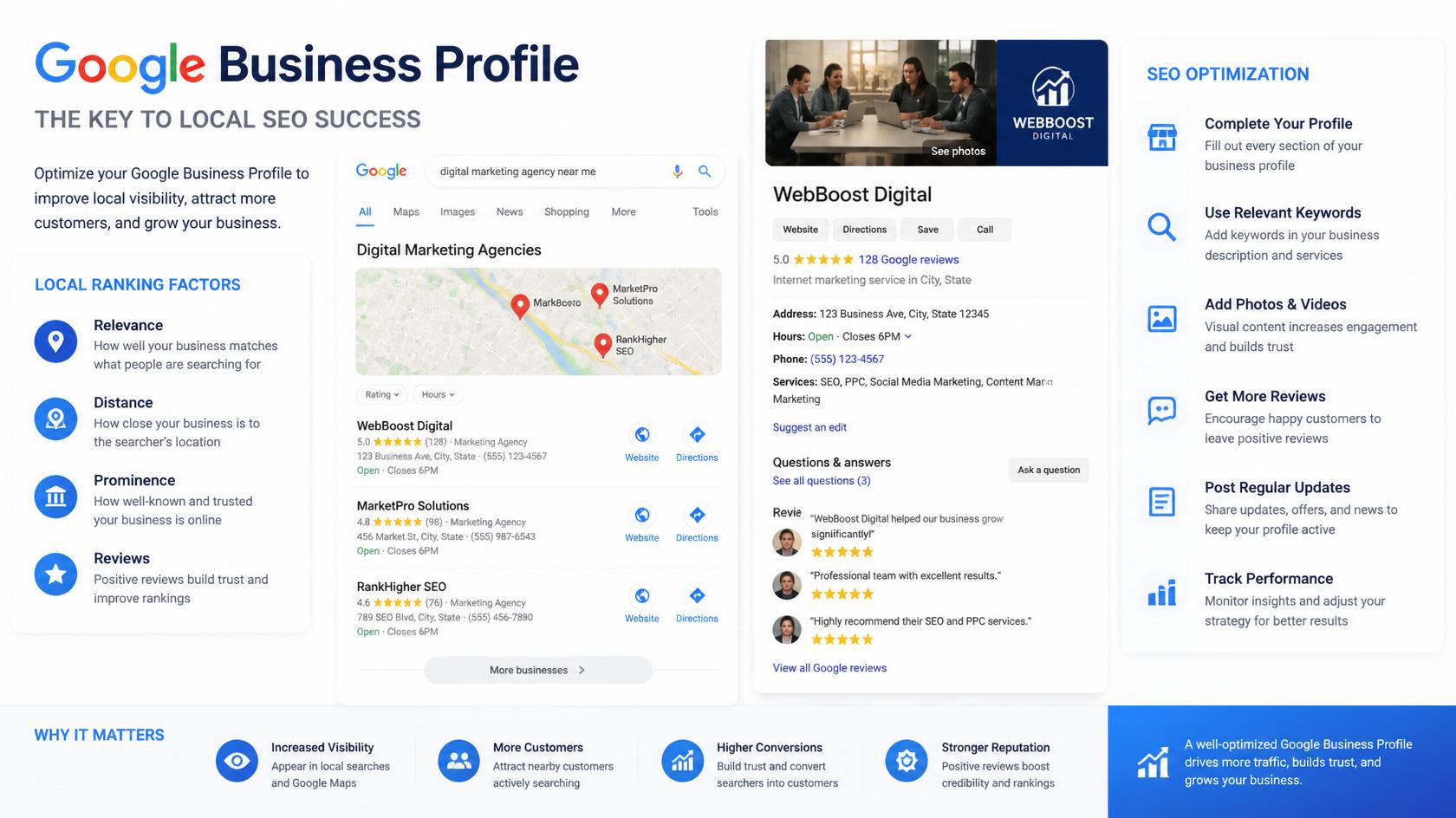
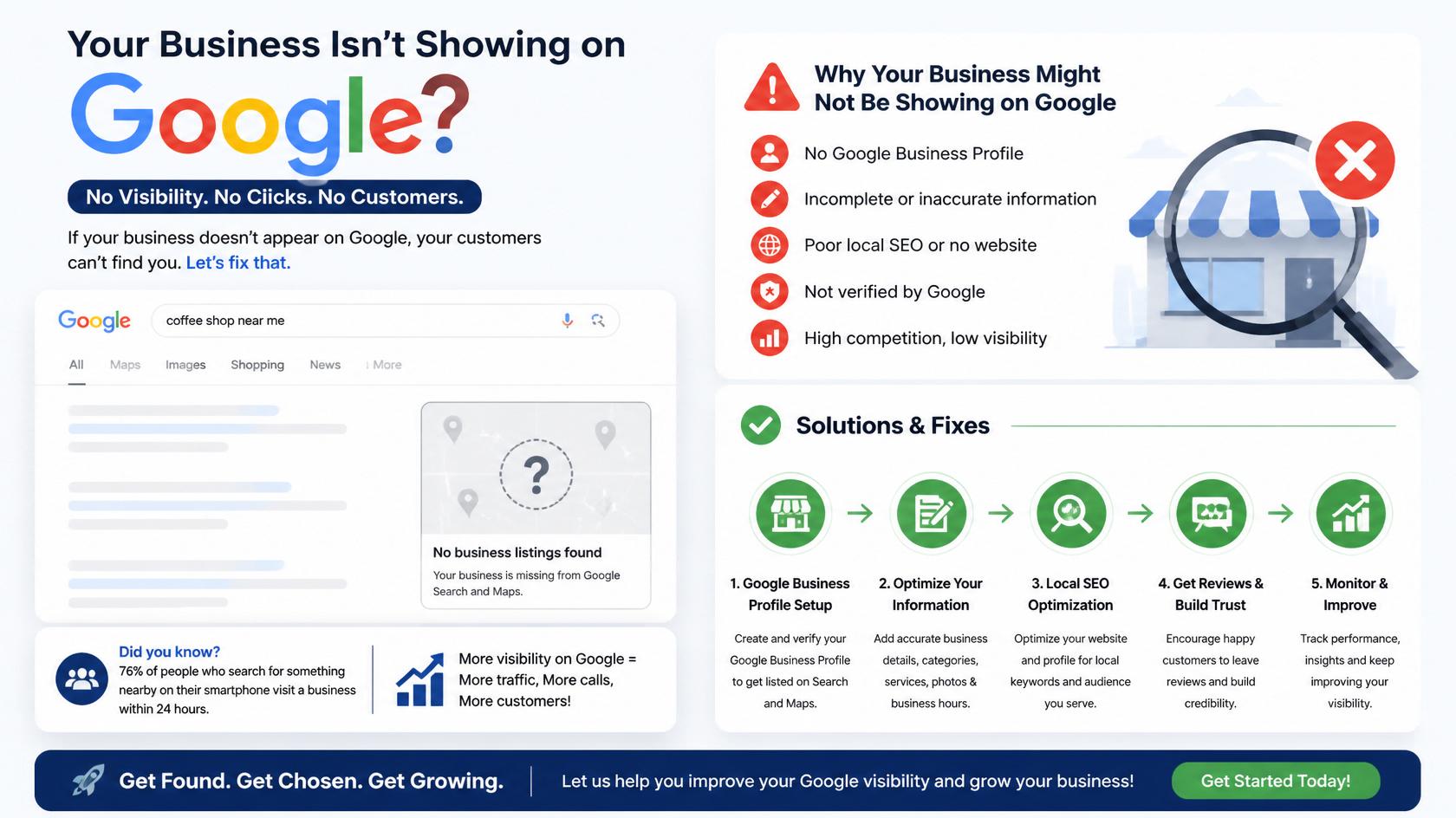
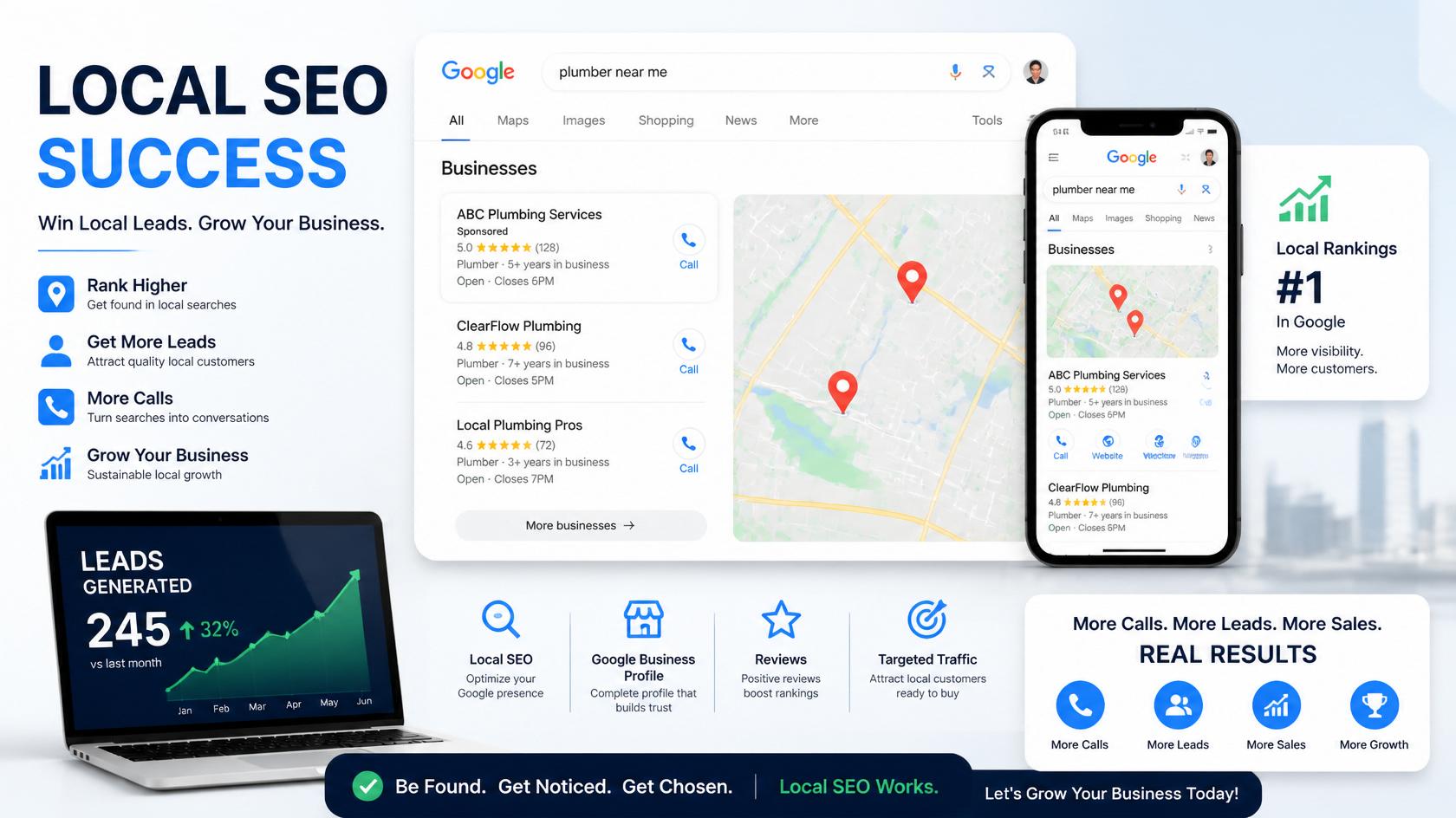
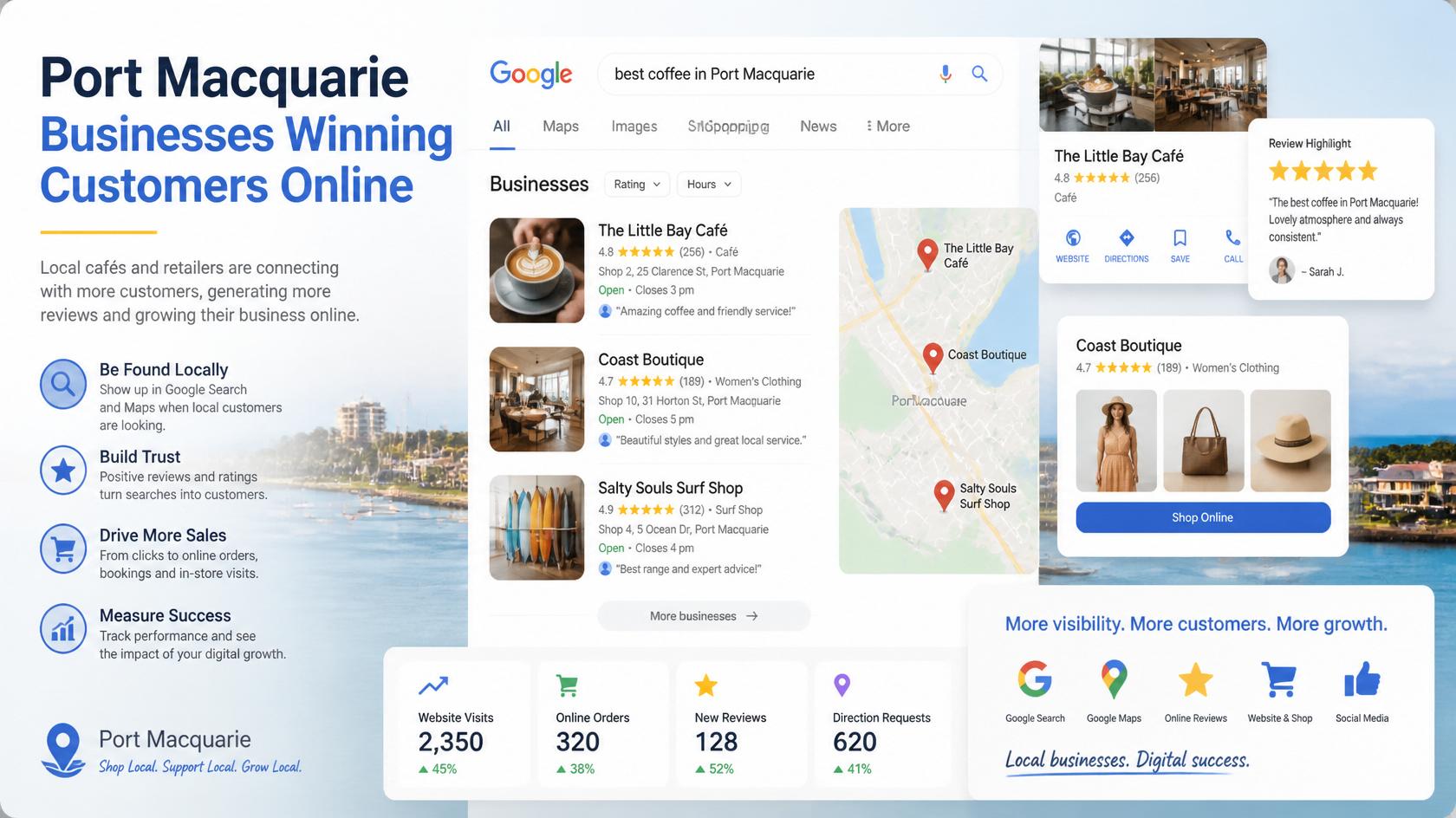
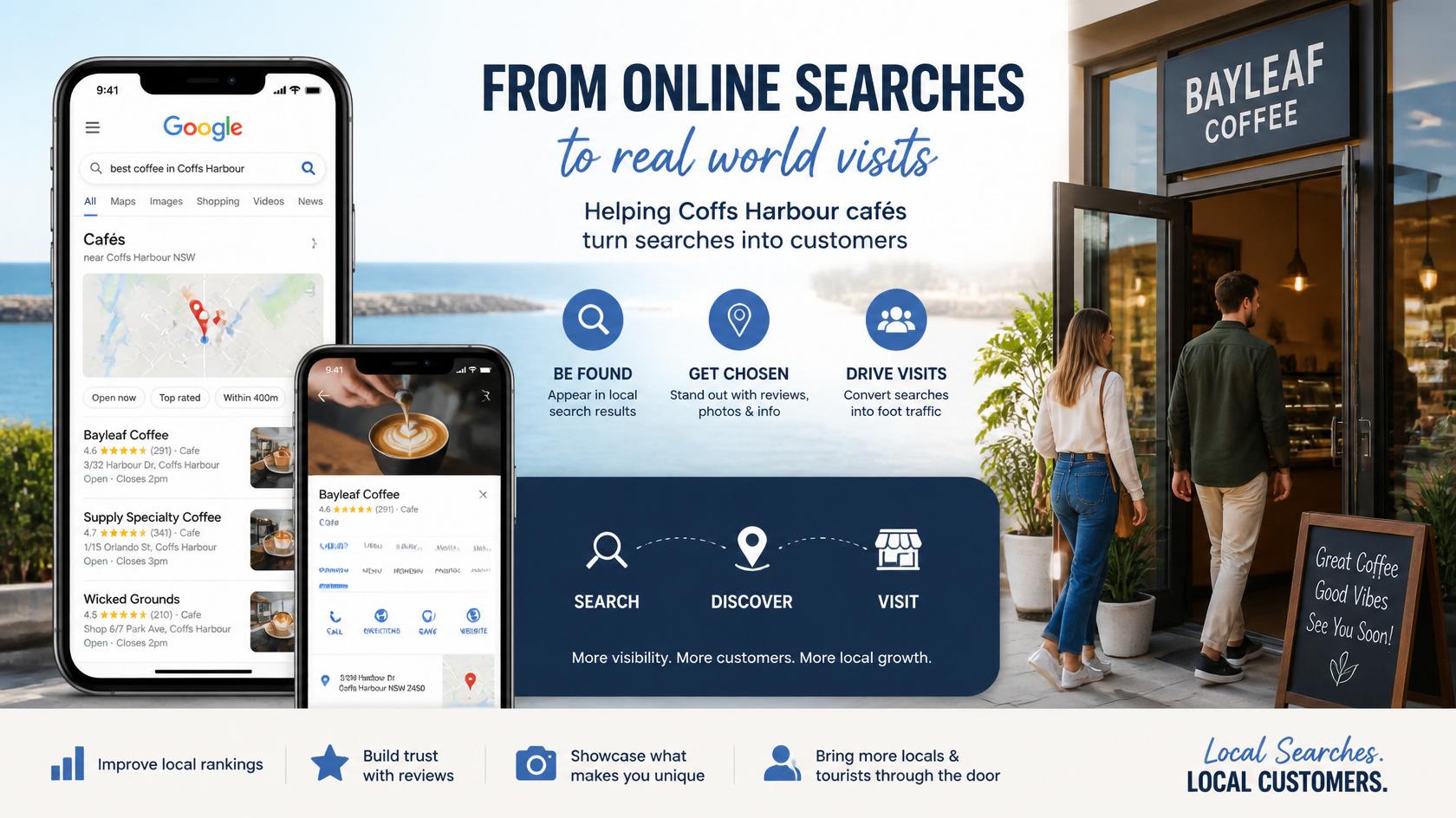
Local SEO is its own specialised discipline for businesses that serve a specific geographic area — optimising your Google Business Profile, building consistent local citations, and creating location-specific content so you show up when nearby customers search “near me” or with a suburb or town attached.
Organic SEO isn’t any single one of these — it’s all five working together, continuously, over time.
Organic SEO in 2026-27: What’s Actually Changed
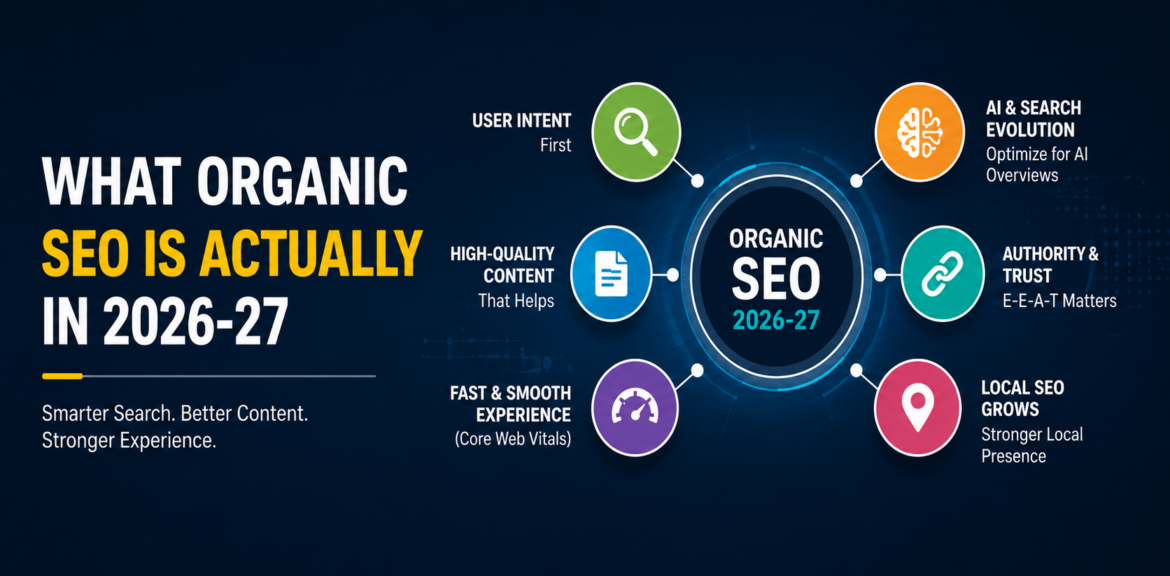
Here’s the part most explainers skip. SEO in 2026 isn’t the same game it was even two years ago, because of one major shift: AI Overviews.
Google now generates AI-written summaries that sit above the traditional list of blue links for a large and growing share of search queries, pulling information from multiple trusted sources and synthesising a direct answer. This has genuinely changed user behaviour — a noticeable share of informational searches now end with the user reading the AI summary and never clicking through to a website at all.
That sounds like bad news for organic SEO, and in a narrow sense, it is — click-through rates on some query types have measurably dropped. But here’s the crucial nuance: the vast majority of sources cited inside AI Overviews are also pages that already rank well in traditional organic results. Strong technical SEO, genuine authority, clear structure and trustworthy content are still exactly what earns both a high organic ranking and a citation inside an AI summary. The skill set hasn’t been replaced — it’s been extended.
This has given rise to a companion discipline sometimes called Generative Engine Optimisation (GEO) or Answer Engine Optimisation (AEO) — essentially, making sure your content is structured clearly enough (direct answers early in each section, clean headings, genuinely useful FAQs, solid schema markup) that AI systems can lift and cite it confidently. Businesses that treat GEO and traditional organic SEO as two separate jobs are missing the point: they share the same foundation, and in 2026-27, doing organic SEO properly increasingly means doing both at once.
Practically, this means:
Structured data and schema markup have gone from “nice to have” to close to essential.
E-E-A-T (Experience, Expertise, Authoritativeness, Trustworthiness) matters more than ever, because both traditional rankings and AI citations lean heavily on trust signals.
Brand strength and reputation off Google — reviews, mentions, consistent presence — increasingly feed back into how much a search engine trusts you.
Measuring success needs to widen beyond just rankings and clicks, to include whether you’re showing up and being cited as a trusted source at all, not just whether someone clicked through.
How Organic SEO Guru Actually Approaches This
Rather than treat this as an abstract industry shift, here’s how it plays out in a real campaign we run:
Audit first. We start by properly understanding where a site currently stands — technical health, current rankings, Google Business Profile status, and a genuine look at the real competitors in that specific market, not a generic national benchmark.
Research before writing anything: Keyword research and competitor research come before a single word of content gets written, so every page targets search terms real customers are actually using, with realistic ranking potential.
Fix the technical foundation: Site speed, mobile experience, indexing issues and schema markup get sorted early, because content built on a broken technical base never performs to its potential.
Build content that’s genuinely useful and clearly structured: Real answers, real local knowledge, clear headings, and direct answers early in each section — so it works for human readers and for AI systems trying to extract a citable answer.
Strengthen Google Business Profile and local citations for any business with a physical or service-area presence, since this remains one of the fastest levers for local visibility.
Build authority steadily and ethically — no shortcuts, no risky backlink schemes that put a site at risk of a future penalty.
Report in plain English, tracking not just rankings but the metrics that actually matter: enquiries, calls, and genuine business growth.
This is a long-term game by design. Organic SEO compounds — a well-optimised page built today keeps earning traffic and trust for years, unlike an ad that stops the moment the budget does.
Who Organic SEO in Australia Is Genuinely Good For
Organic SEO services in Australia make the most sense for businesses that plan to be around for the long haul and want visibility that keeps paying off without an ongoing ad spend attached to every single click. That includes local service businesses and tradies, healthcare and professional service providers, regional and small-to-medium businesses competing against bigger players, e-commerce stores with an established catalogue, and any business whose customers genuinely search Google before making a decision.
Who It’s Not Really Suited For (At Least, Not On Its Own)
Organic SEO is not a good fit as a standalone strategy if a business needs leads within days rather than months, has a brand-new website with essentially no content or history yet and needs traffic immediately, or is running a genuinely short-term promotion or seasonal event with a hard deadline. In these cases, paid advertising services (Google Ads, social media ads) typically make more sense either instead of or alongside organic SEO, precisely because it can generate traffic instantly rather than building it over weeks and months. Plenty of businesses run both together — paid for the immediate need, organic for the compounding, long-term foundation.
How This Compares to Other Approaches
It’s worth being honest about the landscape here, because business owners genuinely get pitched very different things under the same “SEO” label.
DIY SEO plugins and tools (think basic on-page optimisation apps built into website builders) are a reasonable starting point for very early-stage sites, but they typically only cover on-page basics — they don’t do the technical auditing, competitor research, content strategy or authority-building that actually moves rankings in a competitive market.
Generalist freelancers can be cost-effective for a single, narrow task, but rarely have the ongoing capacity or breadth to manage technical SEO, content, local citations and authority-building together as one coordinated, evolving strategy — which is what actually produces durable rankings.
Large capital-city agencies working from a national template often apply the same broad strategy across every location they serve, adjusting little more than the suburb name in a title tag. This can work reasonably well in dense metro markets with huge search volumes, but it tends to underperform in regional markets, where search behaviour, competitor sets and customer expectations are genuinely different from Sydney or Melbourne. A regionally-focused approach that actually understands the local market — its industries, its search patterns, its real competitors — consistently outperforms a copy-pasted metro strategy in these areas.
The common thread across all three: organic SEO done properly requires ongoing, coordinated work across technical, content and authority fronts, tailored specifically to the market a business actually operates in — not a one-size-fits-all package.
Frequently Asked Questions
Not quite. There’s no cost per click the way there is with ads, but organic SEO still requires genuine investment in time, expertise and content. The difference is that this investment keeps paying off long after the work is done, rather than switching off the moment spending stops.
Most businesses start seeing measurable movement within 8-12 weeks, with substantial, durable gains typically building over 4-6 months and continuing to compound after that. Anyone promising page-one rankings within days is either describing paid ads or overpromising.
No — if anything, the opposite. The large majority of sources cited inside AI Overviews are pages that already rank well organically. The fundamentals of strong organic SEO (technical health, authority, genuinely useful content) are the same fundamentals that earn AI citations.
SEO focuses on ranking in traditional search results; GEO focuses on getting cited inside AI-generated answers from tools like Google AI Overviews, ChatGPT and Perplexity. They share the same foundation of clear, authoritative, well-structured content, which is why most businesses need to think about both together now rather than treating them as separate disciplines.
Yes, often more easily than in a metro market. Regional keyword competition tends to be lower, and Google rewards genuine local relevance and authority — meaning a well-optimised regional business can outrank much larger competitors for the searches that actually matter locally.
Yes. Paid ads generate immediate traffic but stop the moment spending stops. Organic SEO builds a foundation of visibility that keeps generating leads independently, and the two typically work best run together rather than as a replacement for one another.