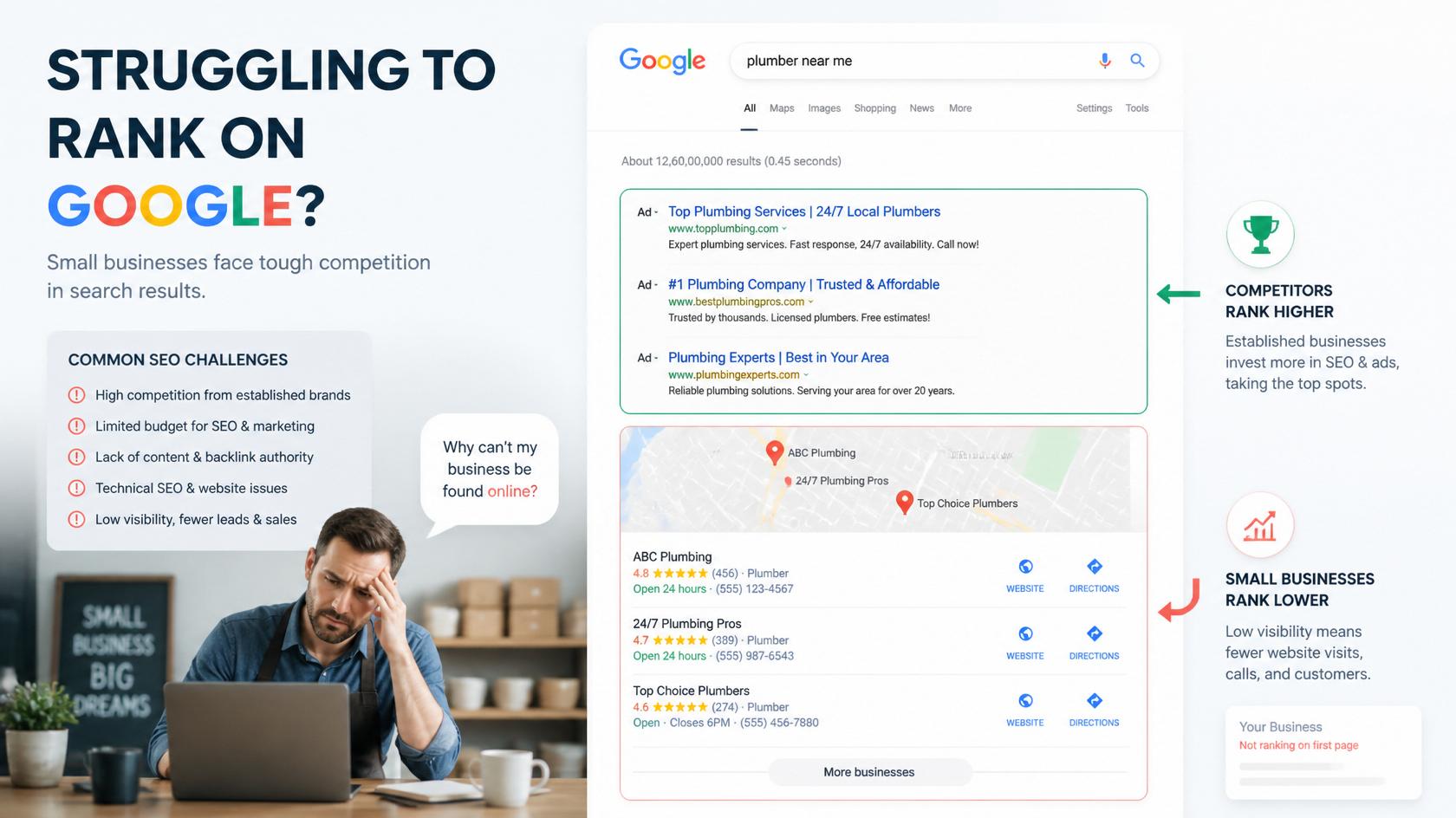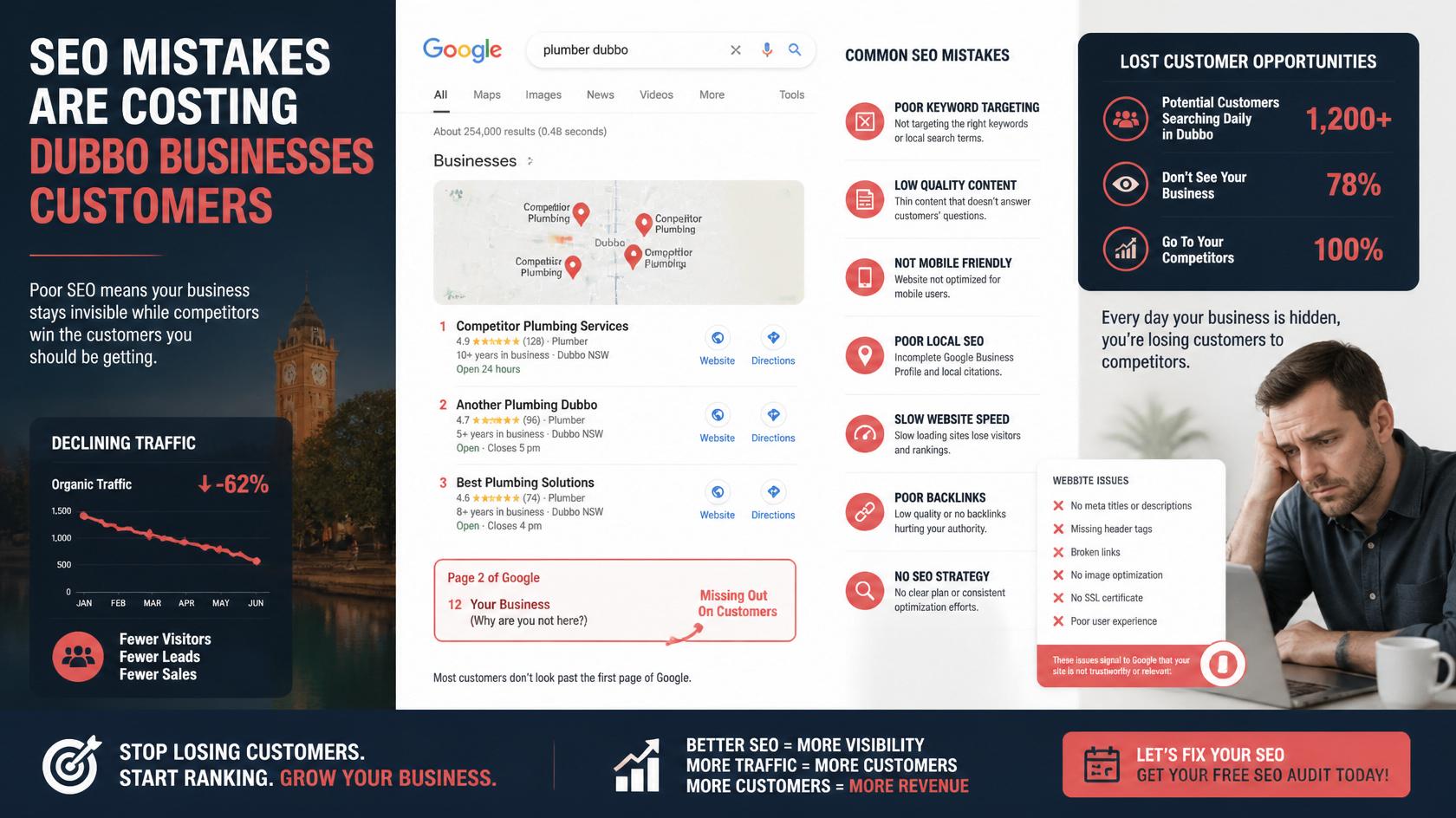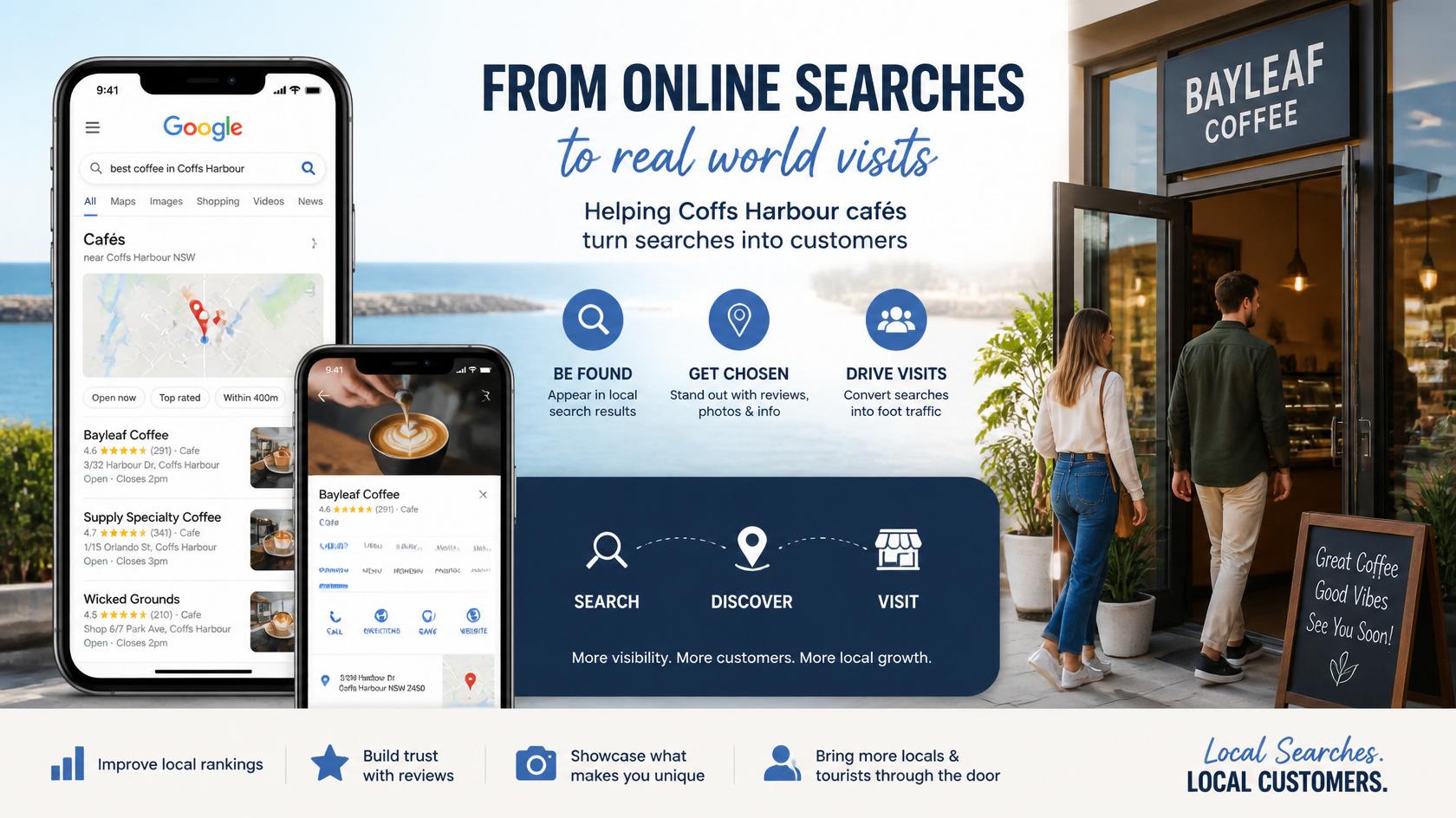

Jenny runs a small boutique homewares store in the heart of Orange, just off Summer Street. Gorgeous shop, genuinely great range, the kind of place you could spend an hour browsing without meaning to. When tourist season picks up around the Banjo Paterson Festival or the cooler months when the food and wine crowd rolls through, she should be flooded with foot traffic from visitors searching for things to see and do. Instead, she found out — a bit painfully — that her shop wasn’t showing up at all when people searched “gift shops Orange NSW” on their phones while walking down the street.
The reason wasn’t her shop. It wasn’t her stock, her window display, or her prices. It was a Google Business Profile that had been claimed years ago, filled in with the bare minimum, and then completely forgotten.
Why This Matters So Much More in a Town Like Orange
Orange has a distinctive rhythm to it — a genuine regional centre with its own strong local economy, but also a serious tourism drawcard thanks to the food, wine and cool-climate produce scene. That means a big chunk of the people searching for local businesses aren’t locals at all. They’re visitors, standing somewhere in town, phone in hand, trying to decide where to eat, what to see, or where to pick up a gift before heading home.
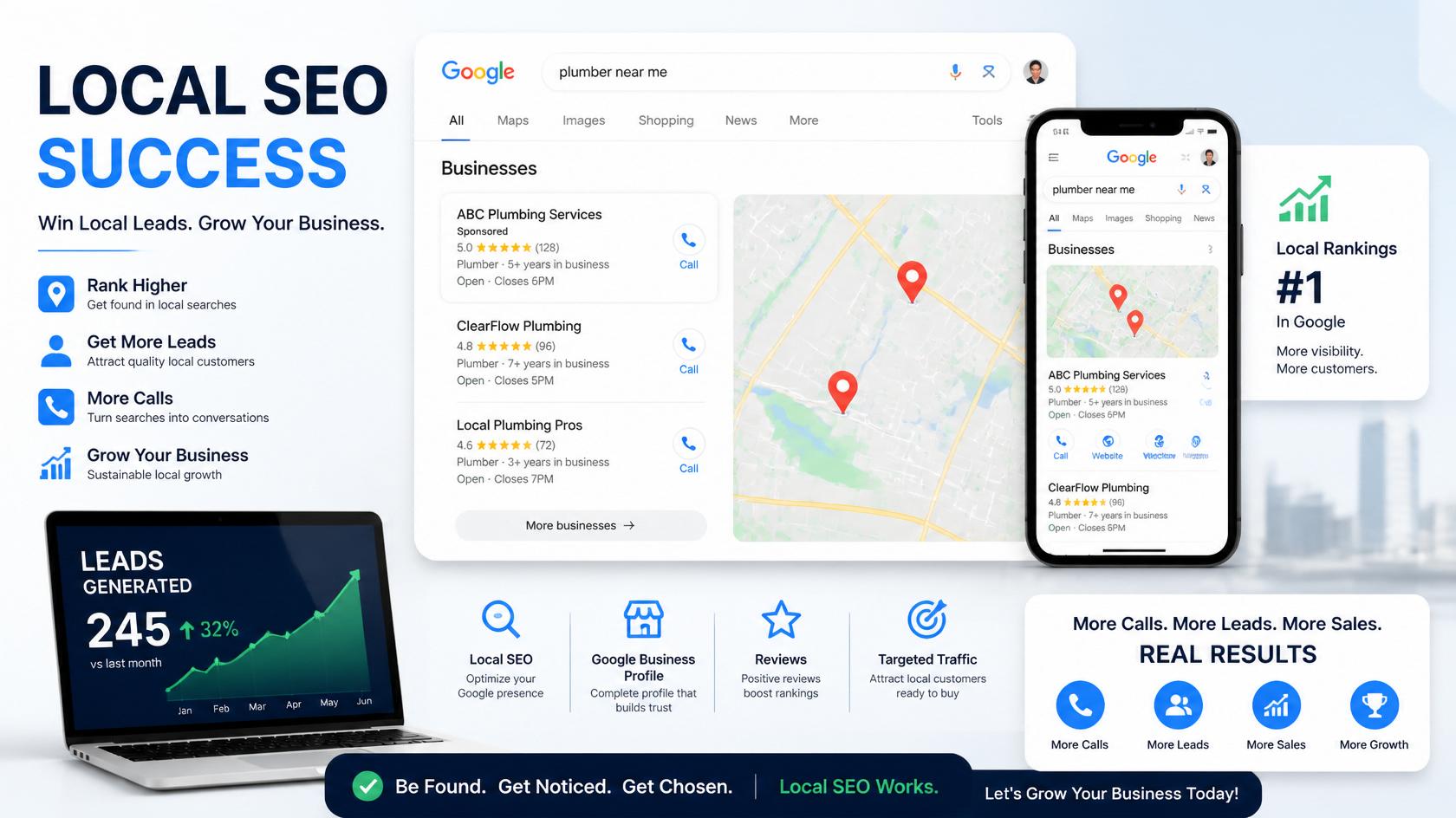
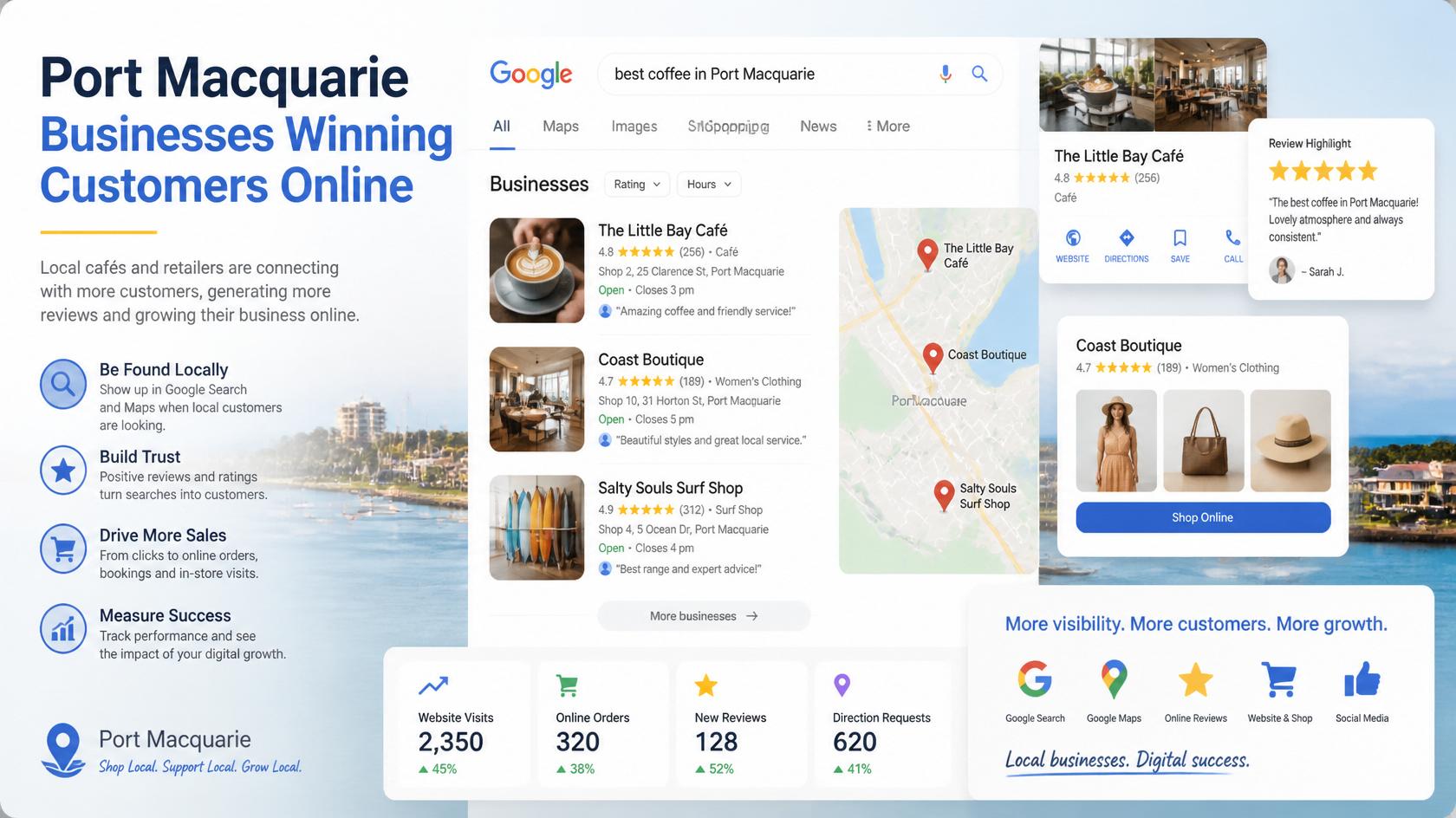
For these searches, Google Business Profile isn’t just helpful — it’s often the entire decision-making moment. Someone visiting for a weekend isn’t going to dig through five pages of a website. They’re going to glance at the map pack, check the photos, skim a couple of reviews, and make a call in about fifteen seconds. If your profile isn’t doing the work, you don’t even get considered.
What a Neglected Profile Actually Costs You
A Google Business Profile that’s incomplete or outdated doesn’t just look a bit tired — it actively costs you visibility in ways that are easy to underestimate.
Wrong or missing opening hours mean visitors decide not to risk the trip, especially around events when foot traffic spikes and time is tight
Old or missing photos mean a shop looks less appealing than a competitor with fresh, inviting images, even if the actual store is nicer in person
No recent reviews signals uncertainty — visitors from out of town lean heavily on reviews since they have no other way to judge trust
Vague or incorrect categories mean Google simply doesn’t show your business for the specific searches people are actually typing
The Five Things Worth Fixing First
-
Categories that actually reflect what you do
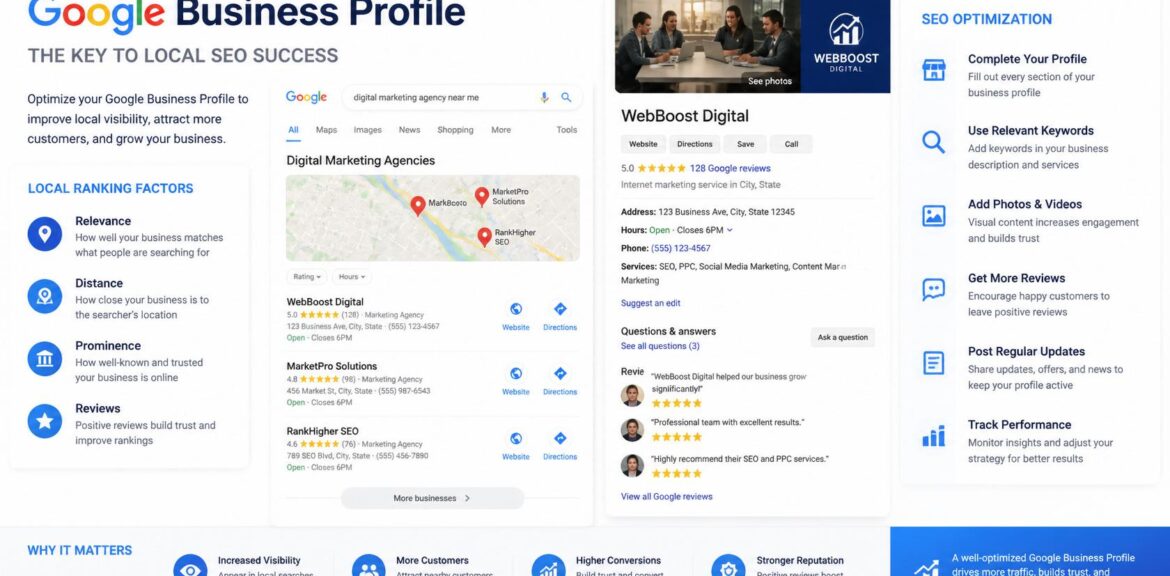
Jenny’s shop was listed simply as “gift shop.” It also does homewares, local artisan products, and a small range of Orange region wine accessories. None of that was reflected in her categories, so Google had no reason to show her business for searches like “local gifts Orange NSW” or “homewares store near me.” Getting specific with secondary categories, not just the primary one, opens up a lot more relevant searches.
-
Photos that reflect the current reality of the business
Not stock images, not photos from years ago — genuine, recent photos of the shopfront, the interior, the products, even the street it sits on. For visitors trying to picture what they’re walking into, this matters enormously. A shop with ten recent, high-quality photos looks considerably more trustworthy than one with two blurry photos from a phone in 2017.
-
Regular posts, especially around local events
Orange has a genuinely strong events calendar — food and wine festivals, the Banjo Paterson Festival, seasonal produce markets. Businesses that post updates tied to these events (special hours, event-related stock, “we’ll be open late during the festival”) get noticed by Google as active and relevant, and they get noticed by visitors scrolling through looking for exactly that kind of local, current information.
-
A genuine, specific business description
Google gives every business a description field, and most businesses either leave it blank or fill it with vague, generic language. This is a missed opportunity. A description that mentions the actual products, the actual location within Orange, and what makes the business genuinely part of the local scene works far better than a generic paragraph that could describe any shop in any town.
-
Reviews, asked for consistently, not just hoped for
Visitors from out of town rely on reviews more than locals do, simply because they have no other way to judge a business they’ve never heard of. Businesses that build a habit of asking happy customers for a review — right at the point of a good experience, not days later when it’s forgotten — end up with a profile that does a lot of the trust-building work automatically.
A Real Comparison: Two Cafés Near the Same Corner
Two cafés, both a short walk from the centre of Orange, similar quality coffee and food. One has a profile with recent photos, a description that mentions its cool-climate produce-focused menu and specific mention of vegetarian and gluten-free options, and a steady stream of recent reviews. The other has a generic profile, categories set to just “cafe,” and reviews mostly from years ago.
When someone searches “brunch near me” while wandering through Orange on a Saturday morning, it’s not close. The first café shows up prominently in the local pack. The second doesn’t even make the first page of results a visitor is likely to scroll through.
What Jenny Changed
Jenny spent an afternoon overhauling her profile properly — added specific categories reflecting her actual product range, uploaded two dozen genuine photos of the shop and stock, wrote a description that actually named the local artisans she stocks, and started asking customers for reviews at the till instead of leaving it to chance. She also began posting short updates ahead of local events, mentioning extended hours and festival-specific stock.
Within a few months, foot traffic from people mentioning “found you on Google” while browsing the festival became a regular occurrence — something that had essentially never happened before.
Where to Start
If your profile hasn’t been touched in a while, don’t overhaul everything in one sitting. Start with categories and photos — they’re quick wins with genuine impact. Then write a description that actually reflects your business specifically, and build a simple habit of asking for reviews consistently.
This is exactly the kind of groundwork Organic SEO Guru works through with business owners across Orange — making sure the fundamentals are done properly, especially for businesses that rely on visitor traffic as much as local customers. If you’d rather have someone handle the profile overhaul, the event-tied content and the ongoing consistency for you, that’s exactly what our Local SEO specialists in Orange handle day to day.
Jenny’s shop is still a local favourite, but now it’s also becoming a regular stop for visitors who found her simply by searching on their phone while walking down Summer Street — something that used to happen by accident, and now happens because the groundwork’s actually in place.